
In Nigeria, rent is typically paid upfront, often for one or two years, even though most people earn income monthly. Over the past five years, rental costs have climbed by nearly double digits, widening the gap between how Nigerians earn and how they are expected to pay for housing.
This imbalance has gradually shut many working Nigerians out of decent homes, particularly in cities like Lagos. The challenge is not always the cost of rent itself, but the heavy burden of paying it all at once.
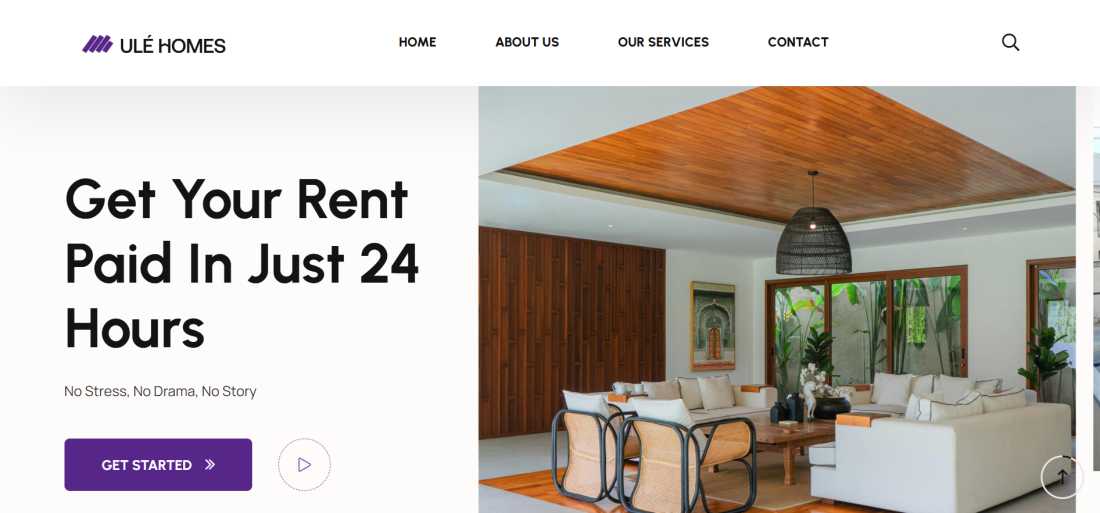
Ule Homes emerged to bridge this gap. What began as a student group project has grown into a rent-financing and housing credit startup that is rethinking access to housing in Nigeria. By breaking down large, upfront rent payments into affordable monthly installments and helping users build credit histories along the way, Ule Homes is reshaping how Nigerians secure and sustain housing.
Founded in 2024 by Chisom Okorie, Omolade Akinwumi, and Azeez Abdulyekeen, who met during a postgraduate program at the Nigerian University of Technology and Management, Ule Homes officially launched in August 2024. Since then, the proptech startup has disbursed over ₦700 million in rent and housing financing in less than a year, supporting more than 182 paying customers. Its footprint currently spans major urban markets, including Lagos and Abuja, with early expansion into parts of Ibadan, signaling strong demand for alternative rent payment models in Nigeria’s most competitive housing markets.
“Our goal was to reduce the burden of accessing housing and make the process more manageable for everyday Nigerians,” says Omolade Akinwumi, co-founder and CEO of Ule Homes.
The startup’s momentum has been reinforced by its selection into the Antler 2025 program and its victory at the Moonshot Startup Battlefield in October 2025, milestones that underscore growing investor and ecosystem confidence in its model.
Where the Idea Took Shape
The idea for Ule Homes grew from firsthand experience. None of the founders were raised in Lagos, a city whose rental market operates under rules that differ sharply from those in much of Nigeria. Having come from places like Jos and Bauchi, where housing costs are more modest and payment terms more flexible, the transition to Lagos exposed a harsh contrast. Rapid rent increases, rigid lump-sum payments, and high entry costs often leave even salaried professionals struggling to secure stable housing.
“Lagos felt like entirely new terrain for us. I grew up in Ibadan, while Chisom and Azeez hail from northern Nigeria. Coming from regions where rent was relatively affordable, securing a decent home in Lagos as working professionals quickly became a struggle,” Akinwumi told Techpoint Africa.
The challenge was compounded by timing. Saving for rent in Lagos often meant aiming for a moving target; by the time enough funds were accumulated, prices would have already increased. For young professionals and entrepreneurs, this creates a cycle of financial stress, delays, and suboptimal living conditions.
How Ule Homes Simplifies Housing Access
Ule Homes is a Lagos-based startup focused on making rent and housing finance more accessible for Nigerians, removing the need for large upfront payments. Essentially, the platform covers a tenant’s rent in full and pays it directly to the landlord, allowing the tenant to repay Ule Homes in manageable monthly installments over a set period.
Rent financing through Ule Homes can be extended for up to 12 months. But the company’s services go beyond short-term rent support: they now include mortgage and rent-to-own options lasting up to 20 years, tools to track and improve credit scores, and tailored savings solutions for housing needs.
Notably, users aren’t limited to properties listed by Ule Homes. Tenants can choose any apartment in Nigeria and apply through the Ule Homes web platform. The application process collects key information, including BVN, NIN, six months of bank statements or business turnover, rent and property details, along with credit and risk assessments.
On the operational side, Ule Homes evaluates each applicant’s financial standing by reviewing credit reports from partner bureaus, analyzing debt-to-income ratios generally capped at around 33%, and assessing the stability of employment or business revenue.
Once approved, the platform pays landlords directly, ensuring funds are used solely for rent and eliminating the risk of misuse.
Repayments are collected by direct debit linked to salaries or business income, with interest rates starting at just 1.7% per month and repayment terms up to 12 months for standard rent financing.
Even in a challenging lending environment, Ule Homes has maintained a clean record, with no reported non-performing loans to date. This success is credited to its rigorous screening process, flexible repayment models that may include partial down payments or equity contributions, and strategic collaborations with insurance partners to mitigate potential defaults.
Building Financial Inclusion Through Innovation
Ule Homes sets itself apart from other rent-financing platforms by embedding credit education into its services. Users can view their credit reports directly on the platform, gaining insights into how timely rent payments can strengthen their credit profiles and improve access to future loans or mortgages. The platform’s property-agnostic approach allows tenants to finance any apartment, not just those listed on partner sites.
Looking forward, Ule Homes is focused on growth and inclusivity. Plans are underway for a fully automated web application, and the company is exploring expansion into other African markets, starting with Ghana. Beyond rent financing, Ule Homes is developing savings-driven products designed to help users achieve housing goals.
If successful, these initiatives could dramatically broaden Ule Homes’ reach, offering housing finance to traders, artisans, and informal earner groups often excluded from traditional credit systems.