


There’s a fine line between dreamers and doers, and the difference lies in action. By exploring how to start a startup in Nigeria, you’ve already taken the first step toward becoming a doer.
Think of a startup like growing a tree. You begin by planting a seed, providing the right environment, nurturing it consistently, and protecting it from challenges along the way. With patience, care, and dedication, your efforts will eventually bear fruit, turning a simple idea into a thriving business that can make a real impact.
In this article, you will learn how to turn your idea into a thriving business. Here are some ways to move from concept to reality: product analysis, market research, building an MVP, crafting a business plan, establishing a strong brand, and creating an online presence. With patience, dedication, and consistent effort, your work will eventually bear fruit, transforming your vision into a successful venture.
Product or Service Analysis
The first step in starting a successful startup in Nigeria is understanding what your product or service truly offers. Before launching, research the market to identify existing products that may provide similar solutions. To stand out, your offering needs to be unique and address a real need for your target audience. In a populous country like Nigeria, product quality and relevance are crucial.
For instance, if you are developing an Instagram video downloader app, consider expanding its functionality to support other platforms like YouTube, Facebook, and Vimeo. By providing broader utility, you increase your product’s value and make it more appealing to users. Ultimately, ensure that your product or service is not only innovative but also essential for the people you aim to serve.
Market Research
Before launching your startup in Nigeria, it is crucial to thoroughly analyze the market to understand how your product or service will perform. Begin by clearly outlining your product’s features, uses, target audience, and benefits, then explore the web to identify similar products and evaluate the level of competition. Pay close attention to customer reviews to uncover weaknesses in existing solutions, and use these insights to improve your own offering.
Engaging directly with potential users is equally important. Interact with your audience through online forums, social media, and surveys to learn about their pain points and the features they value most. Discuss your idea with friends, colleagues, and industry peers to gather honest feedback and refine your concept.
There is no guaranteed formula to predict success, and many entrepreneurs face setbacks before finding the right approach.
Build a Minimum Viable Product (MVP)
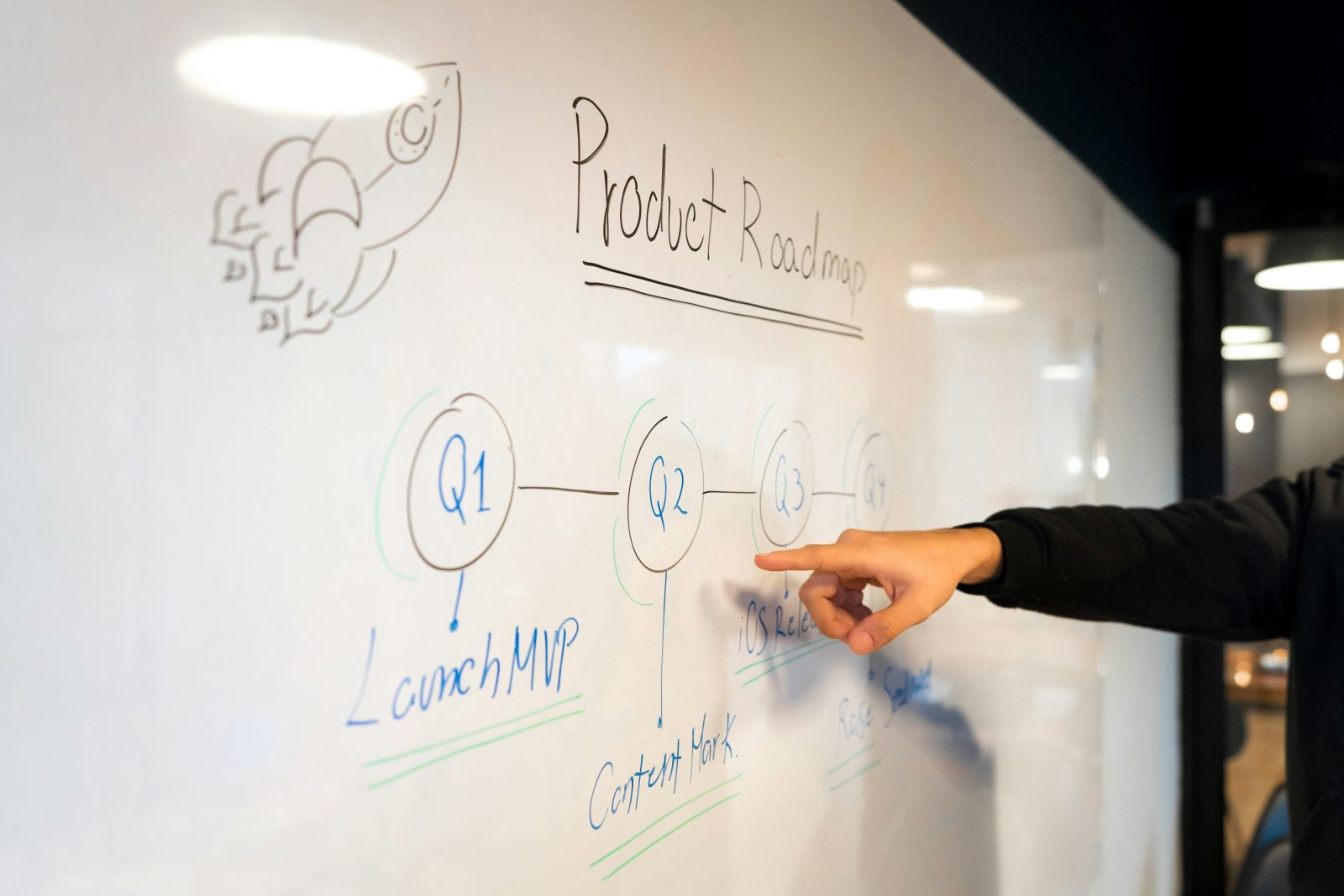
Once you’ve analyzed your product and researched the market, it’s time to start building. This is where your idea begins to take shape in the real world. The first step is to create a Minimum Viable Product (MVP). An MVP is the simplest version of your product, developed quickly and cost-effectively, designed to test whether there’s genuine interest and whether people are willing to pay for it. Unlike a prototype, which is merely a draft or concept, an MVP is a functional product that real users can interact with.
Developing an MVP offers several key advantages. It saves both time and money by letting you focus only on the essential features needed to test your idea. If the product doesn’t resonate with users, you can pivot or refine it without investing heavily. Releasing an MVP also allows you to gather valuable feedback directly from your audience, enabling you to expand features based on real needs rather than assumptions. Additionally, early testers often become loyal customers, feeling invested in the product’s development and more likely to choose your solution over competitors’.
Craft a Comprehensive Business Plan
A well-structured business plan is essential when launching a startup. It serves as a roadmap, outlining your business goals, strategies, timelines, financial projections, marketing approaches, and more. A strong business plan not only helps you stay organized but also communicates your vision clearly to investors, partners, and other stakeholders.
Your business plan should provide a concise summary of the business, covering all major points, and include an overview of its legal structure, type, operations, and location. It should detail your products or services, analyze market competition, and describe your target audience. Additionally, it should outline the management team, operational plans, financial strategy, and future goals and projections. By crafting a thorough business plan, you set a solid foundation for your startup’s growth and long-term success.
Build a Strong Brand Identity
Branding your startup means creating a clear and memorable identity for your business. Your brand represents what makes you unique in a competitive market, giving your business a distinct voice, image, and personality that resonates with your audience. A strong brand ensures that people recognize and remember your business, setting you apart from competitors.
Consider a well-known example like Pepsi. When you hear the name, specific images immediately come to mind: the iconic blue ribbon, the logo, their advertisements, or the drink itself. This instant association illustrates the power of branding. When your audience begins to visualize your brand the moment they hear its name, you know you’ve established a recognizable identity.
Building a brand identity is a long-term process that requires careful planning. While some startups rush into operations without focusing on branding, establishing your identity from the beginning helps your business gain recognition in the marketplace. As your brand grows and attracts attention, any new product or service you launch will naturally generate interest from an engaged audience.
Designing and Developing Your Website
Building a website is a crucial step in establishing your startup’s online presence. While hiring professionals to design and develop your site can be more expensive than doing it yourself, it often delivers high-quality results, especially if you lack technical expertise.
If you choose to outsource, you can hire a skilled freelancer or agency through platforms like Upwork, Fiverr, or Freelancer, which are reliable options for finding experienced web designers and developers.
Alternatively, if you prefer a hands-on approach, no-code tools make it easy to create a website without programming knowledge. Platforms like Webflow, Bubble, and WordPress allow you to design and launch functional websites quickly. In recent years, additional tools such as Carrd, Softr, and Dorik have emerged, making it even easier to build a basic but effective website for your startup.
Conclusion
Starting a startup in Nigeria is an exciting journey that combines creativity, strategy, and persistence. From analyzing your product and understanding the market to building an MVP, crafting a solid business plan, establishing a strong brand, and creating an online presence, each step plays a vital role in setting your venture up for success. While challenges are inevitable, careful planning, continuous learning, and active engagement with your audience can help you navigate obstacles and seize opportunities. By taking a structured approach and staying committed to your vision, you can transform your idea into a thriving business that makes a meaningful impact in Nigeria’s dynamic market.









Leave a comment